
Quiet Horizons: Northern Lights in Canada’s Hidden Places — Book Your Spot Tonight
Set your sights on Canada’s quieter Northern Lights, far from bus lookouts and busy tour groups. Tonight we focus on remote viewpoints, practical routes, and fast ways to reserve a place before conditions surge. Expect candid tips, safety notes, and local insight that help you witness vivid aurora with room to breathe, photograph, and simply listen to the cold. If you’re ready to move, secure your spot tonight and share your plan with our community for quick, encouraging feedback.
Choose Your Quiet Sky
Skip congested staging areas and follow latitude, darkness, and access to find serenity beneath the auroral oval. Think Yukon pullouts outside Whitehorse, lake shores near Yellowknife beyond popular bays, sheltered prairie horizons in Saskatchewan, or Labrador’s rugged headlands. Each choice balances distance from city glow, wind exposure, and safe turnaround space. Shortlist two backups, confirm road maintenance schedules, and message local operators. Then reserve tonight, while accommodation calendars and guide availability still reward decisive travelers.
Timing the Glow
Exceptional nights happen when solar wind cooperates with clear skies and true darkness. Track KP or planetary Kp as a broad guide, but watch solar wind speed, Bz orientation, and density for short-notice bursts. Check cloud layers, surface temperatures that create ice fog, and moon phase that can brighten snow. Weeknights often mean fewer visitors. Set alerts on aurora apps, follow regional meteorologists, and be ready to depart when signals align. Decisive timing often equals solitude.
Getting There, Staying Safe
Remote roads demand winter readiness and a calm, practical mindset. Choose reliable vehicles with block heaters, winter tires, and ample clearance. Study road condition maps, daylight repair schedules, and fuel distances. Tell someone your route, carry a charged power bank, and pack a comprehensive cold kit. Consider local guides for snowmobile access or safe lake crossings. Book transport or guiding tonight to lock in expertise, directional confidence, and contingency support if conditions shift unexpectedly during peak auroral hours.
Warmth and Comfort Without a Tour Bus
The Layering Stack That Works
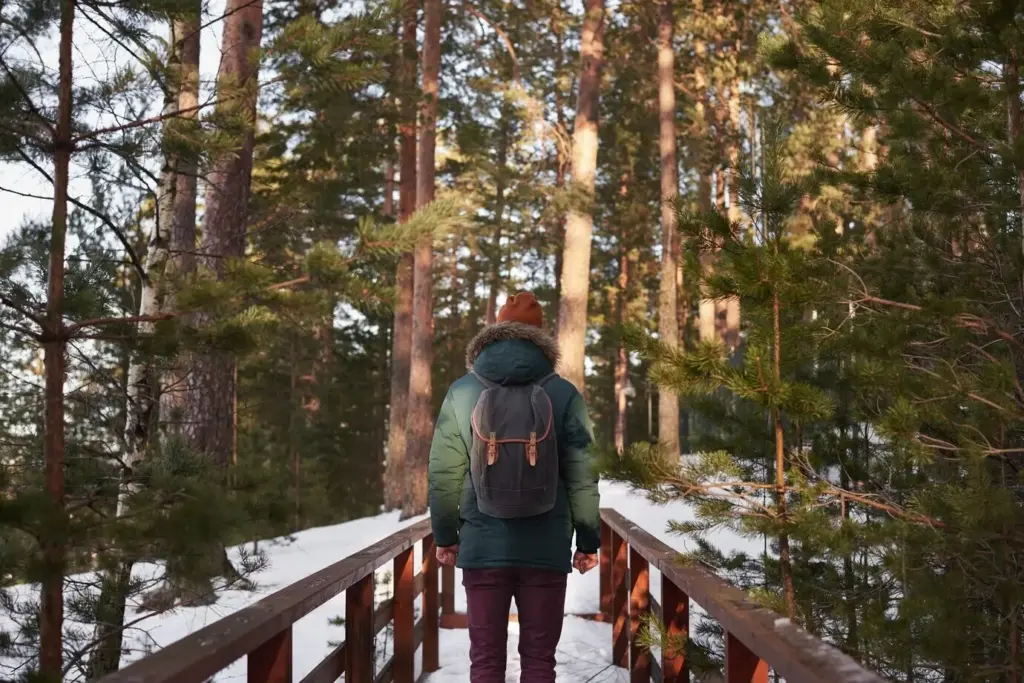
Start with merino or synthetic base layers that wick, add a lofty midlayer, then seal with a windproof, insulated shell. Separate driving clothing from standing-still clothing to avoid damp chills. Oversize boots create warm air pockets; wool socks beat cotton every time. Keep a spare hat and mitts in a dry bag. Practice transitions at home so changes take seconds, not minutes. This thoughtful system preserves warmth, reduces sweat ice-up, and keeps you happily waiting through multiple auroral peaks.
Heat, Food, and Recovery
Hot, slightly sweet drinks help immensely; consider ginger tea or broth for warmth without caffeine jitters. Pack calorie-dense snacks that won’t shatter in the cold. Use rechargeable hand warmers near wrists and chemical warmers over sock liners. Schedule five-minute movement breaks to restore circulation without overheating. Keep a dry base layer ready for a mid-session swap. Book lodging that allows late showers and early breakfasts. Share your go-to comfort tips with fellow readers and learn new tricks in return.
Simple Shelters, Big Difference
Wind is the silent thief. A compact windbreak, vehicle tailgate setup, or small pop-up ice shelter can transform marginal conditions into magic. Anchor securely, ventilate for safety, and avoid blocking others’ sightlines. Red lights preserve night vision while protecting the mood. Bring foam pads for standing insulation and keep camera batteries inside your jacket. If an operator offers a heated tent add-on, reserve it tonight. Those modest walls can double your tolerance and keep spirits buoyant through the coldest bursts.
Photography Without Elbows In Your Shot
Uncrowded places reward patience and composition. Favor fast wide lenses, sturdy tripods, and interval timers that minimize glove-off moments. Start with high ISO, then refine as brightness settles. Compose with foreground snow curves, lone spruces, or ice textures. Silence your shutter beep, dim screens, and use red headlamps to protect others’ exposure. When the sky surges, step aside for additional angles. Share your favorite images with us later, and note your exact settings to help newcomers learn quickly.
Honor the Land, Lift Local Voices
Seek guides who share language, history, and sky lore alongside navigation. These outings often visit quieter shorelines and culturally significant lookouts you might otherwise overlook. Listen closely, ask respectful questions, and follow guidance about photography or sensitive locations. Booking tonight signals genuine commitment and gives hosts time to prepare. Afterwards, share what you learned, credit your guides by name, and recommend their services. Responsible choices sustain traditions while offering unforgettable, perspective-shifting encounters with light, land, and winter night.
Snow hides tracks but not impacts. Park only in plowed, permitted areas, pack out every scrap, and avoid trampling delicate wind-formed features near vegetation. Keep noise low and lights controlled. Use a wag bag if no facilities exist. Mark hazards clearly and remove markers when you leave. Teach companions the same habits. Share before-and-after photos of clean sites to inspire others. This discipline protects fragile winter ecosystems so tomorrow’s visitors can find the same quiet, pristine magic.
Beyond lodging and guides, consider community-run cultural centers, craft markets, and youth programs. Donate to local search and rescue or dark-sky initiatives that safeguard access and reduce light pollution. When you post, tag local organizations and share practical travel notes that help small operators. A reservation tonight can be paired with a small pledge that multiplies benefits. Over time, these acts keep roads open, traditions thriving, and star-filled horizons waiting patiently for the next spellbinding display.