
Unlock Spontaneous Adventures Across Canada’s Hidden Corners

How Instant Booking Changes the Journey
Tap, Confirm, Go
Flexible Windows and Smart Waitlists
Transparency That Builds Trust
Atlantic Surprises: Fundy Tides to Fogo Island

Prairie Mystique and the Badlands
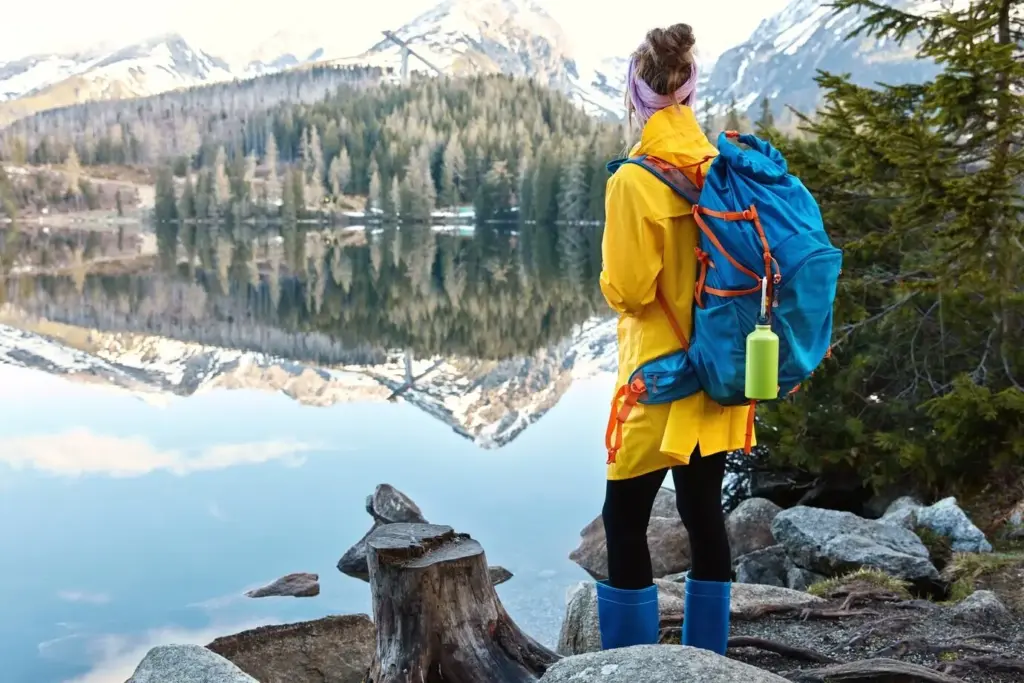
Pacific Wonders Beyond the Obvious

Guides, Communities, and Respectful Encounters
Indigenous-Led Experiences with Reciprocity
Choose Indigenous-owned operations that share living knowledge through song, cedar weaving, berry picking, or canoe travel. Instant booking should never mean transactional behavior; bring humility, compensate fairly, and ask before photographing. Leave with teachings, not trophies, and carry forward responsibilities that continue after your plane departs.
Small-Town Hosts, Big-Hearted Stories
In hamlets off Highway 2 or coastal byways, baker-guides, volunteer firefighters, and retired teachers moonlight as storytellers. They’ll lend spare rain jackets, point out secret swim holes, and introduce you at the diner. Book fast, show up early, and reciprocate with patience, gratitude, and tips.
Language, Protocols, and Photographs
A few greetings in French, Cree, or Mi’kmaw open doors; silence sometimes speaks best. When ceremonies, sacred sites, or private homes appear on your route, follow the host’s lead. Ask permission, avoid geotagging sensitive locations, and honor boundaries so access remains welcomed for others.
Seasonality, Wildlife, and Safety

Spring Edges and Meltwater Moments
Summer Peaks Without the Crowds
Winter Magic, Gear, and Risks
Sustainable Choices and Smarter Packing
Pack Light, Layer Right
A single carry-on with merino layers, waterproof shells, and compact traction devices frees hands for curiosity. Reusable bottles and mugs cut waste while supporting small cafés. Add a dry bag, spare socks, and a scarf; subtract bulky extras you never used on previous trips.
Low-Impact Habits That Add Up
Choose foot, pedal, or transit connections between experiences when possible. Offset flights through reputable programs, but prioritize reduction first. Share rides with fellow guests, borrow gear locally, and carry out micro-litter. Quietly modeling care invites others to follow, multiplying benefits beyond any single booking.
Food, Allergies, and Local Flavors
Allergy-aware operators appreciate heads-ups in notes at checkout. Pack labeled snacks, then taste the region: cloudberries, bannock, spot prawns, butter tarts. Support farm stands, smokehouses, and community markets. Eating close to source lowers miles, deepens stories, and sometimes earns kitchen-door tips you’ll never forget.